
The Finest Luxury Cocktail Cans for Elevated Sipping at Home
Luxury cocktail cans are your passport to bar-quality drinks anywhere, anytime, without a single piece of mixology gear. Each can is pre-blended with premium spirits, fresh citrus, and house-made syrups, then sealed under nitrogen to lock in that just-shaken crispness. Simply chill, crack open, and pour over ice for a flawless Negroni or Margarita in seconds—no shaker, strainer, or skill required. Elevate any picnic, rooftop, or lazy evening with effortless sophistication in a portable package.
What Sets Premium Ready-to-Serve Drinks Apart From Standard Canned Cocktails
The real difference with luxury cocktail cans isn’t just the label—it’s the liquid’s integrity. Premium ready-to-serve drinks use **high-proof spirits, fresh citrus, and small-batch botanicals**, then stabilize them with nitrogen or cold-filtration instead of dumping in artificial sweeteners or preservatives. Standard cans often taste flat because they’re carbonated heavily or cooked to pasteurize, killing delicate aromatics. Luxury cans, by contrast, are filled slowly and stored cold, preserving a layered mouthfeel and a proper dilution curve—you get that bitters-and-oil finish as it warms in the glass.
A key insight: premium cans are designed to be sipped over ice, not chugged from the rim, so they’re formulated with a slightly higher alcohol-by-volume and lower sugar to keep the cocktail balanced as the cube melts.
That means no syrupy aftertaste, just a clean, bar-like evolution from first sip to last.
Evaluating the Base Spirits and Mixer Quality in High-End Cans
Evaluating base spirits in high-end cans begins with checking the label for a specific distillery or batch number, which signals transparency absent in standard blends. You should pour a small amount into a glass and assess the aroma for off-notes like ethanol sharpness or artificial vanilla, which indicate low-grade neutral spirits. Mixer quality is judged by tasting for real citrus zest, cane sugar, or botanicals rather than high-fructose syrups or citric acid powder. A premium can’s liquid should maintain a balanced mouthfeel—neither syrupy nor watery—after dilution, and it should not rely on carbonation to mask harshness. Premium spirit and mixer evaluation ultimately hinges on whether the drink’s complexity survives the canning process, revealing depth on the palate rather than a flat, one-dimensional finish.
True high-end cans prove their worth when the base spirit’s character and the mixer’s natural ingredients remain distinct and harmonious from first sip to last.
How Carbonation Levels and Texture Differ in Craft Canned Cocktails

The carbonation profile in craft canned cocktails is engineered for a **refined mouthfeel**, unlike the aggressive fizz of standard sodas. Premium versions often use nitrogen or precise CO₂ dosing to create micro-bubbles that dissolve quickly, delivering a silky, creamy texture that mimics a freshly stirred cocktail. Standard cans rely on high carbonation for perceived refreshment, which can mask delicate spirits. In contrast, craft options calibrate carbonation to the base spirit—gin-based drinks get a lighter, spritzy lift, while whiskey blends favor near-still, viscous carbonation for a rich, coating finish. This textural control is achieved through sequential steps:
- chilling the liquid to near-freezing before carbonation,
- pressurizing under low PSI for slow infusion,
- then resting the sealed can to stabilize bubble size.
The result is a layered, tactile experience where the carbonation enhances, rather than dominates, the flavor profile.
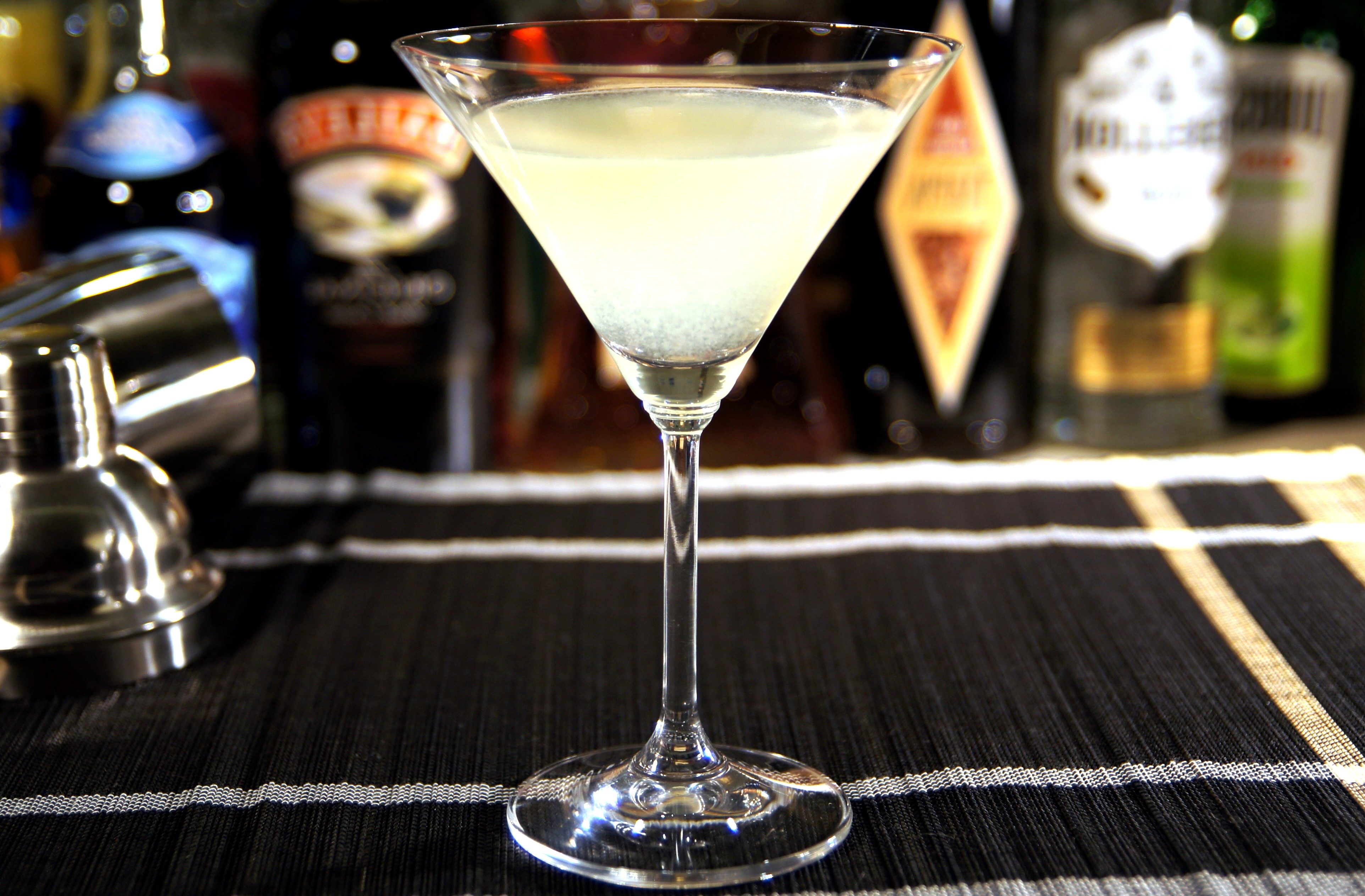
Key Flavor Profiles to Look For When Selecting a Top-Tier Canned Drink
When selecting a top-tier canned cocktail, prioritize balanced bitterness that mimics a freshly stirred drink, not an overwrought syrup. Seek layered botanicals—like elderflower or gentian—that unfold slowly, proving the liquid was built, not dumped. A luxury can must deliver a crisp, acidic finish that cleanses the palate, mimicking a squeeze of citrus rather than a sour candy sting. Look for oak or spice undertones that suggest barrel aging or mulled complexity, yet never mask the base spirit’s character. Finally, reject anything with an artificial saccharine tail; top-tier profiles end dry, herbal, or lightly smoky, ensuring each sip feels as refined as one poured from a crystal decanter.
Classic Recipes vs. Modern Twists: Which Suits Your Palate
When choosing between classic recipes vs. modern twists in luxury cocktail cans, your palate dictates the priority. A traditional Negroni or Old Fashioned offers verified balance, where bitter, sweet, and herbal notes interact predictably, ensuring a familiar, sophisticated sip. Modern twists, such as smoked pineapple Margaritas or yuzu-infused Martinis, introduce unexpected acidity or botanical heat, rewarding adventurous drinkers with layered complexity. However, novelty can overshadow core spirits if the twist lacks restraint. Evaluate whether you seek comforting consistency or surprise; classics excel at showcasing base liquor quality, while modern versions often mask imperfections with bold flavoring. Test both side-by-side to identify which structure aligns with your tolerance for experimentation.
Classic recipes suit purists valuing time-tested balance; modern twists fit those craving inventive flavor collisions—choose based on your preference for familiarity or surprise.
Balancing Sweetness, Acidity, and Botanical Notes in Concise Packaging
The best luxury cans nail a **high-wire balance between sweet, sharp, and herbal** without letting any single note bully the others. You want a sip that starts with a gentle botanical lift—think elderflower or juniper—then lets citrus acidity cut through the sugary base, leaving a dry, almost savory finish. A top-tier can avoids syrupy cloying by layering acidity *inside* the sweetness, not just on top. Think of it as a cocktail in miniature: each mouthful should mimic a fresh shake, never a flat mixer.
Q: How do I judge balance in a canned cocktail without tasting it fresh?
A: Look for a short ingredient list with a named acid source (like yuzu or verjus) and a botanical extract listed *after* the sweetener—that order hints the maker prioritized harmony over sugar rush.
How to Chill, Pour, and Serve a Single-Serve Premium Cocktail for Maximum Effect

To unlock the full potential of a luxury cocktail can, chilling and serving precision are non-negotiable. Place the can upright in the freezer for exactly 45–60 minutes—never overnight, as over-chilling can mute delicate botanicals. Avoid ice baths, which create uneven temperature pockets. When ready, wipe the lid dry, crack it slowly to release pressure without agitation, and pour at a 45-degree angle into a pre-chilled coupe or rocks glass. This minimizes oxidation and preserves the carbonation’s silkiness. For a rocks pour, add one large-format ice cube *after* the liquid, stirring gently for 10 seconds—never shaking the can. Garnish with a expressed citrus twist or a single dehydrated wheel, placed over the glass edge. Serve immediately, as the can’s nitrogen or CO2 infusion is calibrated for a single, crisp consumption window.
| Aspect | Freezer Chill (45–60 min) | Ice Bath (10–15 min) |
|---|---|---|
| Temperature Evenness | Excellent, consistent throughout | Risk of partial pornstar martini warm spots |
| Carbonation Retention | Superb, slow and stable | Potential for rapid pressure drop |
| Aroma Preservation | Fully intact | May diffuse top notes |
| Recommended For | Martini-style or spirit-forward cans | High-volume quick service |
Understanding ABV, Shelf Life, and Packaging Integrity in Small-Batch Cans
For luxury cocktail cans, ABV precision is non-negotiable—small-batch recipes often vary by 0.5% per batch, so always verify with a hydrometer or refractometer before sealing. Shelf life hinges on pH and oxygen scavenging: keep acidic citrus-based cocktails below 3.5 pH and purge headspace with nitrogen to prevent oxidation, which dulls delicate botanicals within weeks. Packaging integrity demands double-seam inspection and drop-testing—micro-cracks in the lid’s epoxy lining will leach metallic notes into high-proof spirits. Store upright at stable 40–50°F to protect the can’s internal polymer barrier; even a 5°F fluctuation accelerates liner fatigue, causing off-flavors by month six. Finally, label with a “best by” date based on your worst-case scenario, not the ideal—better to overpromise freshness than deliver a tarnished luxury sip.
Why Can Lining Technology Preserves Freshness and Flavor Integrity
Can lining technology preserves freshness and flavor integrity by creating an inert barrier between the cocktail and the aluminum body, preventing metallic ion migration that would otherwise catalyze oxidation and impart off-notes. In luxury cocktail cans, polymer linings—often epoxy or water-based acrylics—are applied as a thin, pinhole-free film, which blocks sulfur compounds and acids from reacting with the metal. This electrochemical isolation maintains the volatile aromatic esters and delicate botanical essences, ensuring the first sip matches the mixologist’s intent. Passive barrier chemistry within the lining also minimizes dissolved oxygen ingress through microscopic seams, slowing degradation of citrus oils and bittering agents over extended shelf life. Without this engineered layer, even high-ABV recipes would suffer from flavor flattening and metallic astringency.
Q: Why does can lining technology preserves freshness and flavor integrity better than glass or unlined cans?
A: Glass is inert but permeable to UV light and oxygen over time, while unlined aluminum reacts with low-pH ingredients. The polymer lining actively seals both threats—creating a non-reactive, light-blocking, and oxygen-resistant chamber that locks in carbonation and prevents chemical exchange, preserving the cocktail’s original aromatic profile and mouthfeel until opening.
Reading the Label: Ingredients, Additives, and Natural Preservatives Explained
Reading the label on a luxury cocktail can reveals the true gap between premium and mass-produced options. Scrutinize the ingredient sequence: real citrus juice, spirits, and botanicals should appear first, while cane sugar or agave should be listed above artificial sweeteners. Additives like potassium sorbate or sodium benzoate signal extended shelf life but can impart a metallic tinge, whereas natural preservatives in small-batch cans, such as citric acid, rosemary extract, or vitamin C (ascorbic acid), protect flavor without masking it. Often, the absence of a long chemical list is more telling than the presence of familiar names. Check for “contains sulfites” if you are sensitive, and note whether hop extracts or essential oils are used for aroma, as these degrade faster than synthetic flavorings.
- Look for whole-food ingredients first; a shorter list usually means fewer stabilizers.
- Verify that acids like citric or malic are listed, not just vague “citrus flavor.”
- Confirm natural preservatives (rosemary, vitamin C) are not hiding behind the term “spice extract.”
- Scan for “no artificial colors” and confirm any caramel color is derived from actual sugar.
Matching Your Occasion to the Right Type of Ready-Made Artisanal Drink
Choosing a luxury cocktail can demands matching the pour to the moment’s rhythm, not just its flavor profile. For a slow, contemplative evening, select a stirred, spirit-forward can—an Old Fashioned or a Negroni—whose ice-dilution curve unfolds gracefully over thirty minutes. A lively gathering calls for a high-acid, sparkling option like a French 75 or a Paloma, whose effervescence cuts through rich appetizers and keeps the palate engaged. If you’re pairing with a dessert course, pivot to a low-ABV, sweetened vermouth-based can that echoes the final course without overwhelming it. The key nuance is that your glassware and ice quality matter more than the can’s label, so decant immediately and add a single large cube. Reserve your most complex, barrel-aged cans for post-dinner solitude, and save bright, citrus-forward blends for daylight events. Always check the serving temperature on the can—chilling to the exact degree transforms the experience.
Selecting Effervescent Options for Outdoor Events and Warm Weather
For warm-weather gatherings, prioritize selecting effervescent options that cling to chilled glassware, like a sparkling yuzu spritz or a brut rosé cooler, as the carbonation cuts through humidity and cleanses the palate between bites. Avoid heavy, creamy fizzes that flatten quickly under direct sun; instead, look for cans with a higher CO2 volume and a crisp, citrus-forward profile that survives a hot hour outdoors. Serve them straight from a copper-lined cooler, letting the lively effervescence mask any slight warmth from a guest’s hand, and always choose a can with a tight, resealable lid to preserve that first-pour snap between refills.
Pick high-carbonation, citrus-driven sparkling cans for outdoor heat—they stay lively longer and refresh more sharply than creamy or still alternatives.
Choosing Spirit-Forward Choices for Dinner Parties and Gifting Moments
For dinner parties, spirit-forward luxury cocktail cans are your shortcut to a polished host moment—think a barrel-aged Negroni or a smoked Manhattan that pairs with rich mains without needing a home bar. When gifting, choose high-ABV cans with complex profiles like an Old Fashioned or a Martinez; they feel intentional, not like a novelty. Skip citrus-heavy options that read too casual, and instead look for cans that list cask strength or wild botanicals, signaling depth. Serve them over a single large ice cube, and for gifts, pair with a small glass or bitters tin.
Spirit-forward cans deliver dinner-party sophistication and gifting weight, turning any pour into a deliberate, memorable gesture.
Block "bottomblog" not found